Source Customized Coffee Machine Needle for Cafes, Bars, and Home Use
Compare 30 listings for customized coffee machine needle options including electric distributors and latte art pens. Buyers can evaluate materials like aluminum alloy, sizes from 51mm to 58mm, and MOQs ranging from 20 to 18,000 pieces for bar and leisure applications.
Key considerations
Products List


Comprehensive Sourcing Guide
Strategic Sourcing Guide for Customized Coffee Machine Needles
Understanding Product Variants and Core Specifications
When sourcing customized coffee machine needles, buyers must first navigate the distinct product categories that fall under this broad keyword. The market presents two primary functional variants: electric coffee distributors designed for precision tamping and manual needle tools intended for latte art or powder distribution. The technical specifications for these items vary significantly based on their intended application within the coffee preparation workflow.
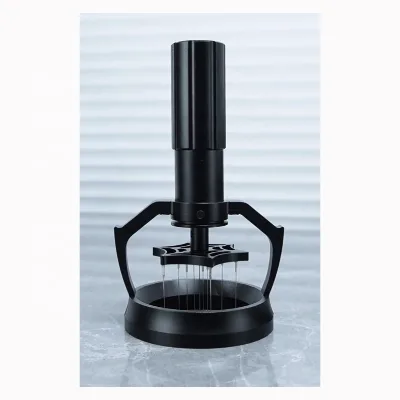
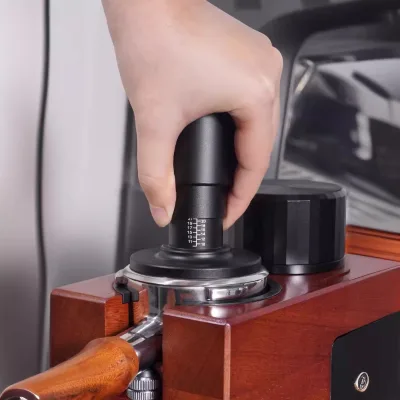
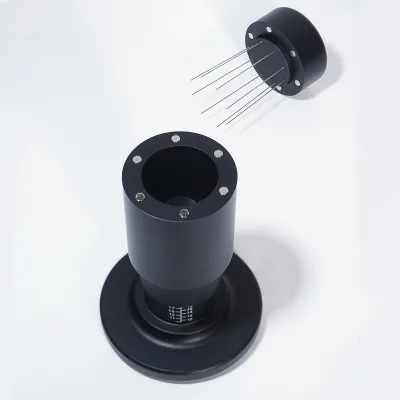
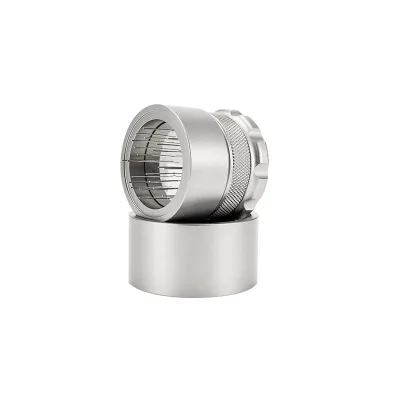
For electric coffee distributors, the core specification often centers on the portafilter size compatibility. Data indicates that standard models are frequently manufactured with a 58mm diameter, which aligns with the industry-standard portafilter size used in professional espresso machines. However, variations exist, with some listings specifying sizes of 51mm and 53mm to accommodate different machine models or regional standards. The physical dimensions of these units are substantial; a typical single package for a 58mm electric distributor measures approximately 52x50.5x32 cm, with a single gross weight of 7.2 kg. The unit itself weighs around 256g and is constructed primarily from aluminum alloy, a material choice that balances durability with the need for precise mechanical movement.
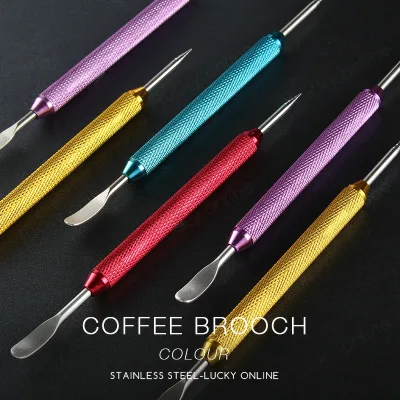
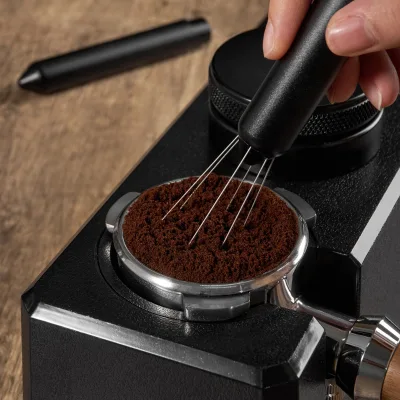
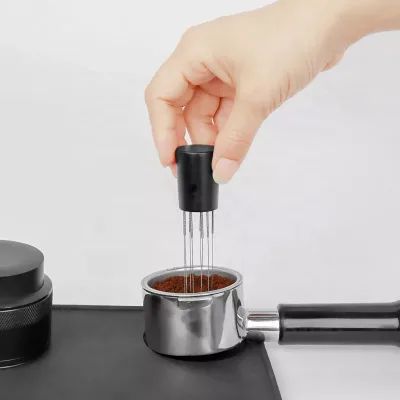
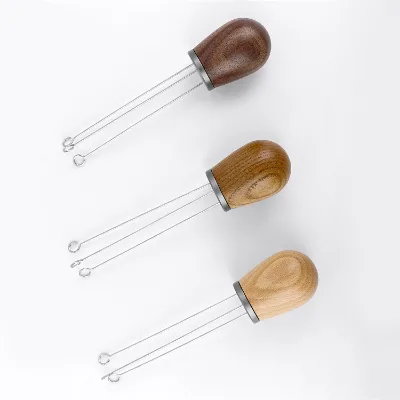
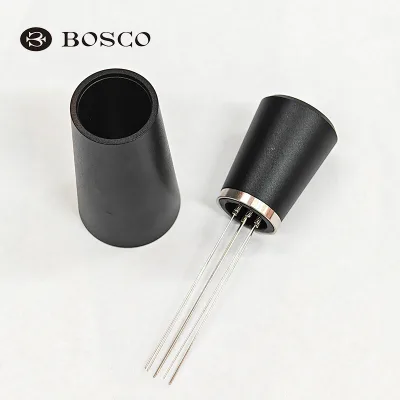
In contrast, manual coffee needles, often marketed as latte art pens or pressing powder distributing needles, possess a much smaller footprint. These tools typically feature a needle length of 135mm and a diameter of 8mm. The packaging for these items is compact, with single package dimensions around 15x3x3 cm or 12x2x2 cm, and a gross weight of only 0.100 kg. The weight of the needle itself is approximately 16g. While the electric versions are heavy-duty tools, the manual needles are designed to be handheld and portable, often made from metal with a black finish. Buyers should verify the specific shape, as some models are described as having a round shape, while others may feature different geometries for specific texturing effects.
Technical Performance and Functional Attributes
The functional performance of these needles is defined by their specific role in the coffee brewing process. Electric coffee distributors are engineered to make espresso coffee by evenly distributing coffee grounds before tamping. This process is critical for ensuring uniform extraction and preventing channeling in the espresso puck. These units often operate with a capacity range of 18 to 30 grams, which covers the standard dose for a double shot of espresso. The design is typically modern or simple, aiming to fit seamlessly into the workflow of a leisure bar or a professional cafe.
Manual needles serve a different technical purpose. They are utilized for making cappuccino and latte art, allowing baristas to create intricate patterns on the surface of the milk foam. Additionally, they function as pressing powder distributing needles, helping to level the coffee bed in the portafilter. The material composition is a key factor in performance; while aluminum alloy is noted for the electric distributors, manual needles are generally described as metal, ensuring they are reusable and robust enough for repeated use. The feature set for these tools often includes eco-friendly attributes and stock availability, indicating that they are ready for immediate deployment in a cafe environment.
| Feature Category | Electric Coffee Distributor | Manual Coffee Needle |
|---|---|---|
| Primary Function | Make Espresso Coffee | Making Cappuccino / Latte Art |
| Typical Size | 58mm (also 51mm, 53mm) | 135mm * 8mm |
| Material | Aluminum Alloy | Metal |
| Weight (Unit) | 256g | 16g |
| Packaging Size | 52x50.5x32 cm | 15x3x3 cm or 12x2x2 cm |
| Gross Weight | 7.2 kg | 0.100 kg |
| Application | Leisure bar, Cafe | Cafe |
Compliance, Certification, and Material Safety
In the B2B procurement of coffee equipment, compliance with safety and environmental standards is paramount, particularly for items that come into direct contact with food. While specific certification statuses for every listed product cannot be definitively confirmed without direct supplier verification, the market context suggests that buyers should look for compliance with recognized international standards. Background information indicates that certifications such as CE and RoHS are relevant considerations for products originating from manufacturing hubs like Guangdong, China.
The CE marking is a critical indicator for products sold in the European market, signifying that the manufacturer has assessed the product and meets EU safety, health, and environmental requirements. RoHS (Restriction of Hazardous Substances) compliance ensures that the metal components, including the aluminum alloy and other metals used in the needles, do not contain excessive levels of hazardous materials like lead or mercury. Buyers must explicitly request proof of these certifications from potential suppliers. It is important to note that while these certifications are observed in the broader category, they should not be assumed for every specific listing without documentation.
Material safety is another crucial aspect. The use of aluminum alloy and general metal construction implies a need for food-grade verification. Buyers should inquire whether the metal surfaces are treated or coated to prevent corrosion and ensure that no harmful substances leach into the coffee grounds or milk. The "Eco-Friendly" feature noted in some product descriptions suggests a focus on sustainable manufacturing practices, but this should be validated against specific environmental management standards or material sourcing policies provided by the supplier.
Cost Drivers and Pricing Structures
The cost of customized coffee machine needles is influenced by several distinct factors, primarily driven by the complexity of the manufacturing process, the materials used, and the level of customization required. Electric coffee distributors are significantly more expensive than manual needles due to the inclusion of mechanical components, motors, and the aluminum alloy housing. The price range for these items in the market can vary widely, with observed listings spanning from $0.01 to $65 USD, though this broad range likely encompasses both simple manual tools and complex electric units.
Customization is a major cost driver. Suppliers frequently offer "Custom Logo" services, allowing buyers to brand the product with their own corporate identity. This process involves additional steps such as laser engraving, molding, or printing, which increases the unit cost. The "Customized" color options, such as specific black shades or other styles, also contribute to pricing variations. Furthermore, the minimum order quantity (MOQ) plays a significant role in the effective unit price. Data shows that MOQs can range from as low as 20 pieces for certain manual tools to 300 or even 18,000 units for larger production runs.
Buyers should anticipate that lower MOQs, such as 20 or 50 pieces, often come with a higher per-unit cost due to the setup costs for small batches. Conversely, larger orders can leverage economies of scale to reduce the price. The availability of samples is another factor; while samples are generally available, they may incur a separate cost or require a specific lead time of 5-7 days. The packaging type, whether a simple PP bag or a more premium box, also affects the final landed cost.
Supplier Evaluation and Sourcing Channels
When evaluating suppliers for customized coffee machine needles, buyers should focus on several key criteria to ensure reliability and quality. The place of origin is a significant indicator of manufacturing capability; a large number of these products originate from Guangdong, China, a region known for its robust manufacturing infrastructure in metalworking and small appliances. Buyers should verify the supplier's location to ensure it aligns with their logistics and shipping preferences.
Supplier reliability can be assessed through their response to sample requests and their flexibility regarding customization. A reputable supplier will readily provide samples, with a typical turnaround time of 5-7 days, allowing the buyer to physically inspect the product quality before committing to a large order. The ability to customize logos and colors is a standard expectation, and suppliers should demonstrate a clear process for handling these requests without compromising the structural integrity of the needle.
It is also essential to evaluate the supplier's inventory status. Products described as "Stocked" or "Eco-Friendly" may indicate a supplier with established supply chains and ready-to-ship inventory, which can reduce lead times. However, for highly customized orders, lead times will inevitably increase. Buyers should avoid suppliers who cannot provide clear information about their production capacity or who make vague claims about quality without evidence. The "Excellent" quality rating observed in some listings should be treated as a claim that requires verification through sample testing rather than a guaranteed standard.
Quality Control and Long-Term Procurement Considerations
Implementing a robust quality control (QC) protocol is essential when sourcing coffee machine needles. Given the direct contact with food products, the physical dimensions and material integrity of the needles must be strictly verified. For electric distributors, the 58mm size must be precise to ensure a perfect fit in standard portafilters. Any deviation could lead to operational issues in the cafe, such as uneven tamping or machine damage. For manual needles, the length of 135mm and the diameter of 8mm are critical for the barista's control and the resulting latte art quality.
Buyers should request detailed inspection reports that cover dimensional accuracy, material composition, and surface finish. The "Round Shape" and "Black" color specifications should be matched against physical samples to ensure consistency. Additionally, the durability of the metal components should be tested for resistance to wear and corrosion, especially in the humid environment of a coffee shop. The "Reusable" feature of manual needles implies a need for long-term durability testing.
Long-term procurement considerations involve establishing a relationship with a supplier who can maintain consistent quality over time. This includes verifying that the "Custom Logo" application remains consistent across different production batches and that the "Single package size" and "Single gross weight" remain stable to facilitate predictable logistics planning. Buyers should also consider the scalability of the supplier; as the cafe chain expands, the ability to increase order volumes from 20 pieces to 18,000 pieces without a significant drop in quality or a drastic increase in lead time is vital. Finally, maintaining a clear communication channel for after-sales support and warranty claims ensures that any potential issues with the product can be resolved quickly, minimizing downtime in the coffee shop.
FAQs
What are the typical sizes for customized coffee machine needles?
Typical sizes include 51mm, 53mm, and 58mm for portafilter compatibility. Electric distributors often use 58mm, while manual needles may have a length of 135mm and a diameter of 8mm.
Can I customize the logo on these coffee needles?
Yes, custom logo acceptance is available for both electric and manual variants. Suppliers offer customization services to brand the product with your corporate identity upon request.
What is the minimum order quantity for these products?
Minimum order quantities vary significantly, ranging from 20 pieces to 300 units depending on the specific model. Some manual tools require as few as 20 pieces, while larger runs may need 300.
How long does it take to receive a sample?
Samples are generally available with a lead time of 5 to 7 days. Buyers can request samples to verify quality before committing to a larger bulk order.
Which materials are used to make these coffee needles?
Electric distributors are typically constructed from aluminum alloy, while manual needles are made from metal. Both materials ensure durability and suitability for professional cafe environments.
Where are these coffee needles manufactured?
Most products originate from Guangdong, China, a known manufacturing hub for coffee equipment. Buyers should verify the specific place of origin to align with their logistics preferences.
What is the capacity range for electric coffee distributors?
Electric distributors typically handle a capacity range of 18 to 30 grams of coffee powder. This range covers the standard dose required for a double shot of espresso.